Cholera vaccine in Salisbury
Planning aid work, outbreak travel or remote stays? Get clear cholera vaccine advice and oral vaccination at Salisbury Travel Clinic before you go.
Cholera vaccine in Salisbury
Planning aid work, outbreak travel or remote stays? Get clear cholera vaccine advice and oral vaccination at Salisbury Travel Clinic before you go.
Cholera vaccine in Salisbury
Planning aid work, outbreak travel or remote stays? Get clear cholera vaccine advice and oral vaccination at Salisbury Travel Clinic before you go.
Cholera vaccination before higher-risk travel
Cholera vaccination is not routine for most holidays, and that matters. The right answer is usually based on where you are going, how you will be living, and whether there is an active outbreak. At Salisbury Travel Clinic in Salisbury, we can talk through your itinerary, your medical background and the practical timing of oral cholera vaccination, so you know whether it belongs on your pre-travel list or not.
A severe diarrhoeal illness linked to unsafe water
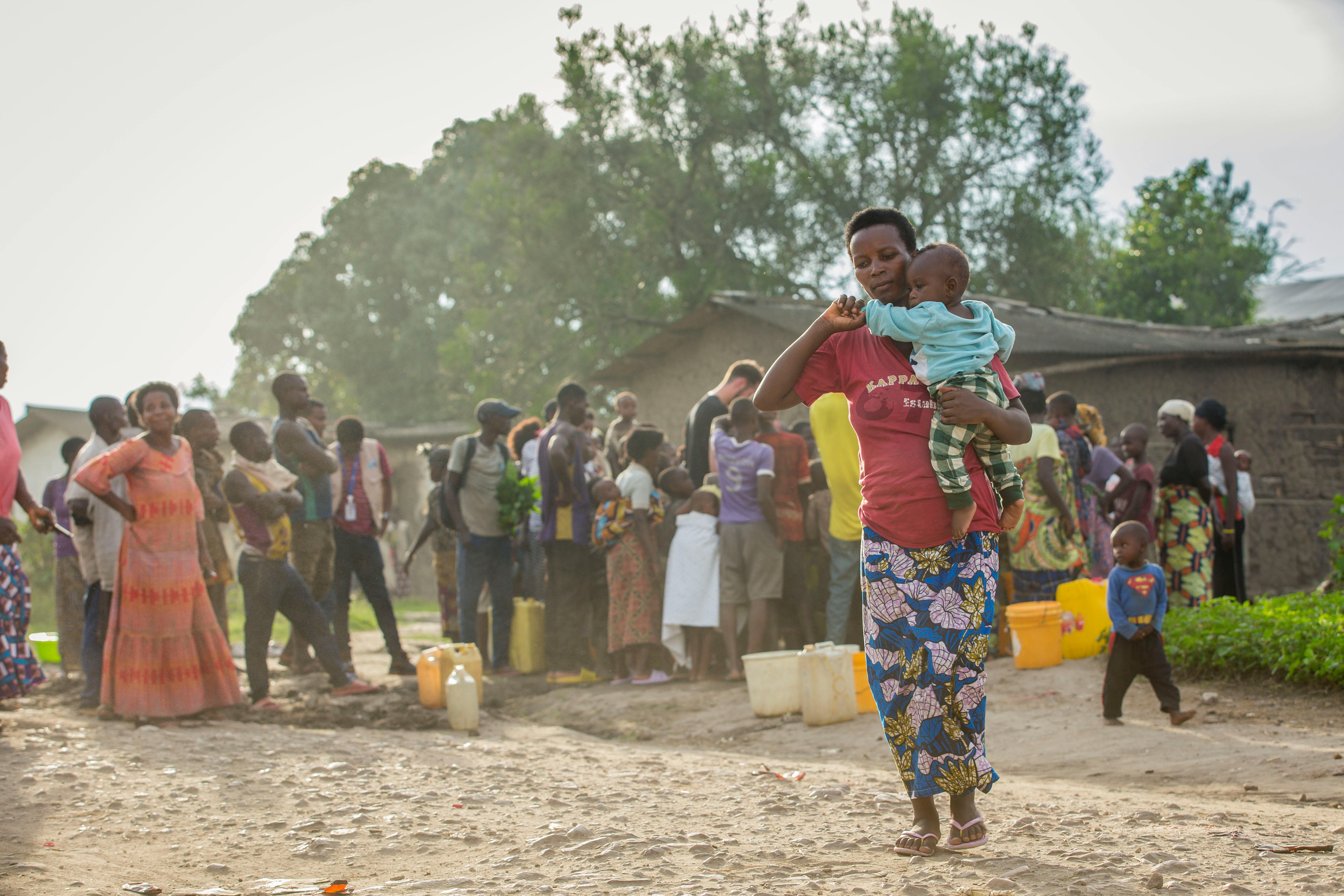
Cholera is caused by Vibrio cholerae bacteria, usually picked up from contaminated water or food. It is closely linked with poor sanitation, unsafe drinking water, flooding, conflict, displacement and disrupted health services. Shellfish and fish from contaminated water can also be involved. Many infections are mild, and some people have no symptoms at all. The problem is the severe end of the illness. Cholera can cause sudden, profuse watery diarrhoea, sometimes with vomiting, and dehydration can develop quickly. In a well-resourced setting, rapid rehydration treatment is usually effective. In a remote area, refugee camp or disaster zone, getting that treatment fast may be much harder. For an ordinary short hotel stay, cholera is rarely the main travel health concern. For aid workers, people staying with limited sanitation, or travellers heading into an outbreak area, it deserves a more careful conversation.
The vaccine is taken by mouth, not injected
Cholera vaccines used in the UK are oral vaccines. You drink the dose rather than having an injection. The aim is to lower the risk of cholera from relevant strains, but vaccination does not replace careful food and water hygiene. It also should not be treated as general cover for travellers’ diarrhoea. The schedule depends on the vaccine used and the traveller’s age. One vaccine is commonly given as two doses for adults and older children, with doses spaced at least a week apart and the course completed before exposure. Younger children may need an extra dose. Another oral cholera vaccine is given as a single dose at least 10 days before possible exposure. Children can be vaccinated when assessed individually, but cholera vaccines are not generally used for children under 2. There are practical details too. You may need to avoid food and drink for a period around the dose, and live oral vaccine may not suit people who are immunosuppressed or taking certain medicines. Tell us about antibiotics, malaria tablets and oral typhoid vaccine if these are part of your travel plan.
Places where cholera risk is more likely to affect travellers
Cholera occurs mainly in parts of Africa, Asia and the Middle East where water and sanitation systems are under strain. Recent or significant outbreak settings have included countries such as Afghanistan, Democratic Republic of Congo, Malawi, Nigeria, Somalia and Syria. UK traveller cases have also been linked with travel to countries including Pakistan, India, Iraq and Kenya. That does not mean every trip to these countries needs cholera vaccine. A two-week city stay with reliable accommodation is different from working in a field hospital after flooding, visiting family in an area with poor water access, or spending time in a camp setting. Season, local outbreaks and access to medical care all matter.
Plan it once your route is clear
If cholera vaccination may be relevant to your trip, book once you have dates, destinations and likely accommodation details. A short appointment is usually enough to check whether the vaccine is sensible and how it fits around other travel vaccines or medicines. People also come to us from Andover and Winchester when they want a local travel health appointment before a higher-risk itinerary. You can book online or call 01722433363.
Cholera vaccination before higher-risk travel
Cholera vaccination is not routine for most holidays, and that matters. The right answer is usually based on where you are going, how you will be living, and whether there is an active outbreak. At Salisbury Travel Clinic in Salisbury, we can talk through your itinerary, your medical background and the practical timing of oral cholera vaccination, so you know whether it belongs on your pre-travel list or not.
A severe diarrhoeal illness linked to unsafe water
Cholera is caused by Vibrio cholerae bacteria, usually picked up from contaminated water or food. It is closely linked with poor sanitation, unsafe drinking water, flooding, conflict, displacement and disrupted health services. Shellfish and fish from contaminated water can also be involved. Many infections are mild, and some people have no symptoms at all. The problem is the severe end of the illness. Cholera can cause sudden, profuse watery diarrhoea, sometimes with vomiting, and dehydration can develop quickly. In a well-resourced setting, rapid rehydration treatment is usually effective. In a remote area, refugee camp or disaster zone, getting that treatment fast may be much harder. For an ordinary short hotel stay, cholera is rarely the main travel health concern. For aid workers, people staying with limited sanitation, or travellers heading into an outbreak area, it deserves a more careful conversation.
The vaccine is taken by mouth, not injected
Cholera vaccines used in the UK are oral vaccines. You drink the dose rather than having an injection. The aim is to lower the risk of cholera from relevant strains, but vaccination does not replace careful food and water hygiene. It also should not be treated as general cover for travellers’ diarrhoea. The schedule depends on the vaccine used and the traveller’s age. One vaccine is commonly given as two doses for adults and older children, with doses spaced at least a week apart and the course completed before exposure. Younger children may need an extra dose. Another oral cholera vaccine is given as a single dose at least 10 days before possible exposure. Children can be vaccinated when assessed individually, but cholera vaccines are not generally used for children under 2. There are practical details too. You may need to avoid food and drink for a period around the dose, and live oral vaccine may not suit people who are immunosuppressed or taking certain medicines. Tell us about antibiotics, malaria tablets and oral typhoid vaccine if these are part of your travel plan.
Places where cholera risk is more likely to affect travellers
Cholera occurs mainly in parts of Africa, Asia and the Middle East where water and sanitation systems are under strain. Recent or significant outbreak settings have included countries such as Afghanistan, Democratic Republic of Congo, Malawi, Nigeria, Somalia and Syria. UK traveller cases have also been linked with travel to countries including Pakistan, India, Iraq and Kenya. That does not mean every trip to these countries needs cholera vaccine. A two-week city stay with reliable accommodation is different from working in a field hospital after flooding, visiting family in an area with poor water access, or spending time in a camp setting. Season, local outbreaks and access to medical care all matter.
Plan it once your route is clear
If cholera vaccination may be relevant to your trip, book once you have dates, destinations and likely accommodation details. A short appointment is usually enough to check whether the vaccine is sensible and how it fits around other travel vaccines or medicines. People also come to us from Andover and Winchester when they want a local travel health appointment before a higher-risk itinerary. You can book online or call 01722433363.
Cholera vaccination before higher-risk travel
Cholera vaccination is not routine for most holidays, and that matters. The right answer is usually based on where you are going, how you will be living, and whether there is an active outbreak. At Salisbury Travel Clinic in Salisbury, we can talk through your itinerary, your medical background and the practical timing of oral cholera vaccination, so you know whether it belongs on your pre-travel list or not.
A severe diarrhoeal illness linked to unsafe water
Cholera is caused by Vibrio cholerae bacteria, usually picked up from contaminated water or food. It is closely linked with poor sanitation, unsafe drinking water, flooding, conflict, displacement and disrupted health services. Shellfish and fish from contaminated water can also be involved. Many infections are mild, and some people have no symptoms at all. The problem is the severe end of the illness. Cholera can cause sudden, profuse watery diarrhoea, sometimes with vomiting, and dehydration can develop quickly. In a well-resourced setting, rapid rehydration treatment is usually effective. In a remote area, refugee camp or disaster zone, getting that treatment fast may be much harder. For an ordinary short hotel stay, cholera is rarely the main travel health concern. For aid workers, people staying with limited sanitation, or travellers heading into an outbreak area, it deserves a more careful conversation.
The vaccine is taken by mouth, not injected
Cholera vaccines used in the UK are oral vaccines. You drink the dose rather than having an injection. The aim is to lower the risk of cholera from relevant strains, but vaccination does not replace careful food and water hygiene. It also should not be treated as general cover for travellers’ diarrhoea. The schedule depends on the vaccine used and the traveller’s age. One vaccine is commonly given as two doses for adults and older children, with doses spaced at least a week apart and the course completed before exposure. Younger children may need an extra dose. Another oral cholera vaccine is given as a single dose at least 10 days before possible exposure. Children can be vaccinated when assessed individually, but cholera vaccines are not generally used for children under 2. There are practical details too. You may need to avoid food and drink for a period around the dose, and live oral vaccine may not suit people who are immunosuppressed or taking certain medicines. Tell us about antibiotics, malaria tablets and oral typhoid vaccine if these are part of your travel plan.
Places where cholera risk is more likely to affect travellers
Cholera occurs mainly in parts of Africa, Asia and the Middle East where water and sanitation systems are under strain. Recent or significant outbreak settings have included countries such as Afghanistan, Democratic Republic of Congo, Malawi, Nigeria, Somalia and Syria. UK traveller cases have also been linked with travel to countries including Pakistan, India, Iraq and Kenya. That does not mean every trip to these countries needs cholera vaccine. A two-week city stay with reliable accommodation is different from working in a field hospital after flooding, visiting family in an area with poor water access, or spending time in a camp setting. Season, local outbreaks and access to medical care all matter.
Plan it once your route is clear
If cholera vaccination may be relevant to your trip, book once you have dates, destinations and likely accommodation details. A short appointment is usually enough to check whether the vaccine is sensible and how it fits around other travel vaccines or medicines. People also come to us from Andover and Winchester when they want a local travel health appointment before a higher-risk itinerary. You can book online or call 01722433363.
02
FAQ
Frequently Asked Questions
Have questions? Our FAQ section has you covered with quick answers to the most common inquiries.
How long before travel should I book cholera vaccination?
Do I need the cholera vaccine for Pakistan or India?
Can children have the cholera vaccine?
What side effects can happen after oral cholera vaccine?
Will cholera vaccine stop me getting travellers’ diarrhoea?
02
FAQ
Frequently Asked Questions
Have questions? Our FAQ section has you covered with quick answers to the most common inquiries.
How long before travel should I book cholera vaccination?
Do I need the cholera vaccine for Pakistan or India?
Can children have the cholera vaccine?
What side effects can happen after oral cholera vaccine?
Will cholera vaccine stop me getting travellers’ diarrhoea?
02
FAQ
Frequently Asked Questions
Have questions? Our FAQ section has you covered with quick answers to the most common inquiries.
How long before travel should I book cholera vaccination?
Do I need the cholera vaccine for Pakistan or India?
Can children have the cholera vaccine?
What side effects can happen after oral cholera vaccine?
Will cholera vaccine stop me getting travellers’ diarrhoea?
Appointments available now
Start Your Trip With Salisbury Clinic
As the most competitively priced clinic in Wiltshire, and no consultation fees, we are ready to get you prepared for your trip.

Appointments available now
Start Your Trip With Salisbury Clinic
As the most competitively priced clinic in Wiltshire, and no consultation fees, we are ready to get you prepared for your trip.
Appointments available now
Start Your Trip With Salisbury Clinic
As the most competitively priced clinic in Wiltshire, and no consultation fees, we are ready to get you prepared for your trip.
Destinations
2026 Salisbury Travel Clinic
Cookie Settings
Destinations
2026 Salisbury Travel Clinic
Cookie Settings
Destinations
2026 Salisbury Travel Clinic
Cookie Settings