India Travel Vaccinations and Health Advice
India travel health is shaped by food and water risks, daytime mosquitoes, rabies and regional malaria. Book pharmacist-led advice in Salisbury.
India Travel Vaccinations and Health Advice
India travel health is shaped by food and water risks, daytime mosquitoes, rabies and regional malaria. Book pharmacist-led advice in Salisbury.
India Travel Vaccinations and Health Advice
India travel health is shaped by food and water risks, daytime mosquitoes, rabies and regional malaria. Book pharmacist-led advice in Salisbury.
India needs route-specific planning
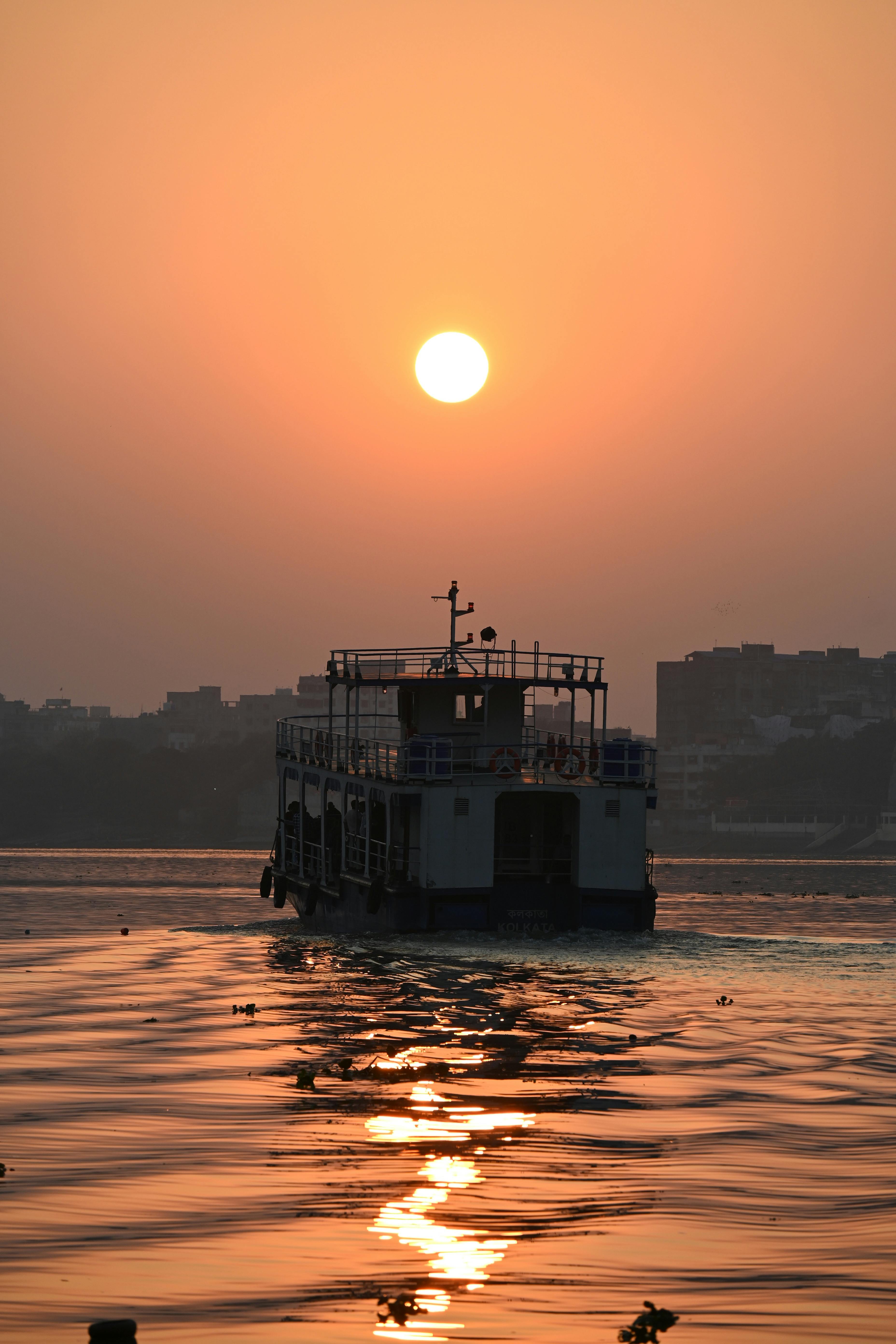
India is not a single-risk destination. Your health preparation changes sharply between a short city-and-hotel trip, a wedding visit with family meals, a month in rural areas, and time in the Himalayan north. At Salisbury Travel Clinic in Salisbury, we talk through the actual route, not just the country name. This page covers the vaccines and practical risks that usually matter for UK travellers, including food and water illness, mosquito-borne infections, rabies, malaria pockets and altitude.
Trips often mix cities, family visits and rural time
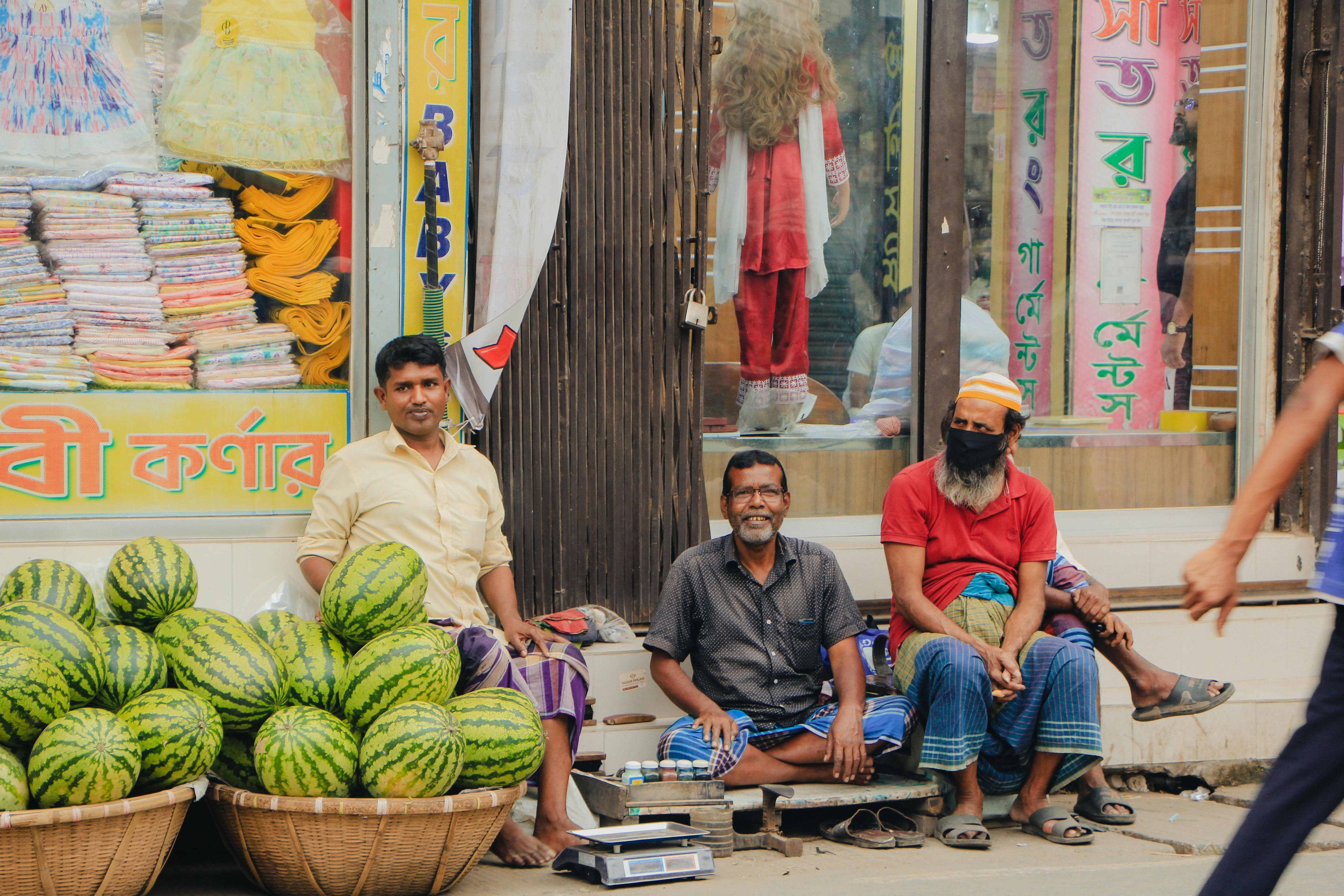
Many UK travellers go to India for weddings, family visits, work, study, volunteering, organised tours, yoga retreats, beach stays in Goa or Kerala, and trekking in the north. Those trips do not carry the same health profile. A business trip to Delhi, Mumbai or Bengaluru with private transport and hotel meals is a different conversation from a child staying with relatives for six weeks, or a backpacker taking trains between states. Longer stays raise the chance of ordinary exposures: local food, bites, dogs in residential areas, minor injuries and needing medical care away from large private hospitals. Rural time matters too, especially around rice fields, farms, monsoon travel and areas where access to urgent treatment may be slow. India rewards planning, but the health planning should match the itinerary you have booked.
Daytime mosquitoes, rabies and pockets of malaria
Food and water risks sit high on the India list. Hepatitis A is commonly recommended for previously unvaccinated travellers, and typhoid vaccination is usually discussed because typhoid spreads through contaminated food and water. Tetanus should be up to date, particularly if you may be away from reliable medical care or doing activities where cuts are plausible. Your routine UK vaccines, including MMR and diphtheria-tetanus-polio, should be checked before departure. Malaria advice is regional. Risk is higher in Assam and Odisha, in parts of Andhra Pradesh including East Godavari, Srikakulam, Vishakhapatnam and Vizianagaram, and in parts of Madhya Pradesh including Balaghat, Dindori, Mandla and Seoni. Tablets may be advised for those areas. Much of the rest of India, including Goa and the Andaman and Nicobar Islands, is classed as lower risk, where bite avoidance and awareness are usually the main points. Lakshadweep is not considered a malaria risk area. Mosquitoes also spread dengue, chikungunya and Zika in India, and these are not prevented by standard malaria tablets. Daytime bite prevention matters in towns as well as rural areas. Japanese encephalitis vaccination may be worth discussing for longer rural stays, repeated travel, uncertain routes or time near rice fields, especially around monsoon periods. Rabies is a real issue because dogs and other mammals can carry it. Children, runners, cyclists, long-stay travellers and anyone heading away from prompt medical care should discuss pre-travel rabies vaccination. Yellow fever is not a risk in India, but a certificate may be required if you arrive from, or transit through, a yellow fever risk area.
Plan four to six weeks before departure if you can
Book a travel health consultation four to six weeks before you leave if possible. That gives enough time to review your vaccine history, plan any courses that need more than one dose, and discuss malaria tablets if your route includes higher-risk districts. Short notice is still worth it. Some protection and practical advice can be dealt with close to travel. Bring your itinerary, previous vaccine records, medical conditions, regular medicines and any pregnancy plans. For India, the consultation usually covers food and water precautions, oral rehydration, bite avoidance for both daytime and night-biting mosquitoes, animal bite action plans, heat, air pollution, travel insurance and altitude if you are heading towards Ladakh or other high routes. Use repellent consistently, cover skin at peak biting times, and choose accommodation with screens, air conditioning or nets where needed. Be cautious with street food, untreated water, ice and raw foods washed in tap water.
Local advice before you fly
If India is on your calendar, book your appointment with Salisbury Travel Clinic and bring the details you already have. We will work through the route, the season, your vaccine record and the practical risks that fit your plans. Patients also come to us from nearby Amesbury or Andover for travel vaccinations before long-haul trips. Call 01722433363 or book online if you prefer to arrange it now.
India needs route-specific planning
India is not a single-risk destination. Your health preparation changes sharply between a short city-and-hotel trip, a wedding visit with family meals, a month in rural areas, and time in the Himalayan north. At Salisbury Travel Clinic in Salisbury, we talk through the actual route, not just the country name. This page covers the vaccines and practical risks that usually matter for UK travellers, including food and water illness, mosquito-borne infections, rabies, malaria pockets and altitude.
Trips often mix cities, family visits and rural time
Many UK travellers go to India for weddings, family visits, work, study, volunteering, organised tours, yoga retreats, beach stays in Goa or Kerala, and trekking in the north. Those trips do not carry the same health profile. A business trip to Delhi, Mumbai or Bengaluru with private transport and hotel meals is a different conversation from a child staying with relatives for six weeks, or a backpacker taking trains between states. Longer stays raise the chance of ordinary exposures: local food, bites, dogs in residential areas, minor injuries and needing medical care away from large private hospitals. Rural time matters too, especially around rice fields, farms, monsoon travel and areas where access to urgent treatment may be slow. India rewards planning, but the health planning should match the itinerary you have booked.
Daytime mosquitoes, rabies and pockets of malaria
Food and water risks sit high on the India list. Hepatitis A is commonly recommended for previously unvaccinated travellers, and typhoid vaccination is usually discussed because typhoid spreads through contaminated food and water. Tetanus should be up to date, particularly if you may be away from reliable medical care or doing activities where cuts are plausible. Your routine UK vaccines, including MMR and diphtheria-tetanus-polio, should be checked before departure. Malaria advice is regional. Risk is higher in Assam and Odisha, in parts of Andhra Pradesh including East Godavari, Srikakulam, Vishakhapatnam and Vizianagaram, and in parts of Madhya Pradesh including Balaghat, Dindori, Mandla and Seoni. Tablets may be advised for those areas. Much of the rest of India, including Goa and the Andaman and Nicobar Islands, is classed as lower risk, where bite avoidance and awareness are usually the main points. Lakshadweep is not considered a malaria risk area. Mosquitoes also spread dengue, chikungunya and Zika in India, and these are not prevented by standard malaria tablets. Daytime bite prevention matters in towns as well as rural areas. Japanese encephalitis vaccination may be worth discussing for longer rural stays, repeated travel, uncertain routes or time near rice fields, especially around monsoon periods. Rabies is a real issue because dogs and other mammals can carry it. Children, runners, cyclists, long-stay travellers and anyone heading away from prompt medical care should discuss pre-travel rabies vaccination. Yellow fever is not a risk in India, but a certificate may be required if you arrive from, or transit through, a yellow fever risk area.
Plan four to six weeks before departure if you can
Book a travel health consultation four to six weeks before you leave if possible. That gives enough time to review your vaccine history, plan any courses that need more than one dose, and discuss malaria tablets if your route includes higher-risk districts. Short notice is still worth it. Some protection and practical advice can be dealt with close to travel. Bring your itinerary, previous vaccine records, medical conditions, regular medicines and any pregnancy plans. For India, the consultation usually covers food and water precautions, oral rehydration, bite avoidance for both daytime and night-biting mosquitoes, animal bite action plans, heat, air pollution, travel insurance and altitude if you are heading towards Ladakh or other high routes. Use repellent consistently, cover skin at peak biting times, and choose accommodation with screens, air conditioning or nets where needed. Be cautious with street food, untreated water, ice and raw foods washed in tap water.
Local advice before you fly
If India is on your calendar, book your appointment with Salisbury Travel Clinic and bring the details you already have. We will work through the route, the season, your vaccine record and the practical risks that fit your plans. Patients also come to us from nearby Amesbury or Andover for travel vaccinations before long-haul trips. Call 01722433363 or book online if you prefer to arrange it now.
India needs route-specific planning
India is not a single-risk destination. Your health preparation changes sharply between a short city-and-hotel trip, a wedding visit with family meals, a month in rural areas, and time in the Himalayan north. At Salisbury Travel Clinic in Salisbury, we talk through the actual route, not just the country name. This page covers the vaccines and practical risks that usually matter for UK travellers, including food and water illness, mosquito-borne infections, rabies, malaria pockets and altitude.
Trips often mix cities, family visits and rural time
Many UK travellers go to India for weddings, family visits, work, study, volunteering, organised tours, yoga retreats, beach stays in Goa or Kerala, and trekking in the north. Those trips do not carry the same health profile. A business trip to Delhi, Mumbai or Bengaluru with private transport and hotel meals is a different conversation from a child staying with relatives for six weeks, or a backpacker taking trains between states. Longer stays raise the chance of ordinary exposures: local food, bites, dogs in residential areas, minor injuries and needing medical care away from large private hospitals. Rural time matters too, especially around rice fields, farms, monsoon travel and areas where access to urgent treatment may be slow. India rewards planning, but the health planning should match the itinerary you have booked.
Daytime mosquitoes, rabies and pockets of malaria
Food and water risks sit high on the India list. Hepatitis A is commonly recommended for previously unvaccinated travellers, and typhoid vaccination is usually discussed because typhoid spreads through contaminated food and water. Tetanus should be up to date, particularly if you may be away from reliable medical care or doing activities where cuts are plausible. Your routine UK vaccines, including MMR and diphtheria-tetanus-polio, should be checked before departure. Malaria advice is regional. Risk is higher in Assam and Odisha, in parts of Andhra Pradesh including East Godavari, Srikakulam, Vishakhapatnam and Vizianagaram, and in parts of Madhya Pradesh including Balaghat, Dindori, Mandla and Seoni. Tablets may be advised for those areas. Much of the rest of India, including Goa and the Andaman and Nicobar Islands, is classed as lower risk, where bite avoidance and awareness are usually the main points. Lakshadweep is not considered a malaria risk area. Mosquitoes also spread dengue, chikungunya and Zika in India, and these are not prevented by standard malaria tablets. Daytime bite prevention matters in towns as well as rural areas. Japanese encephalitis vaccination may be worth discussing for longer rural stays, repeated travel, uncertain routes or time near rice fields, especially around monsoon periods. Rabies is a real issue because dogs and other mammals can carry it. Children, runners, cyclists, long-stay travellers and anyone heading away from prompt medical care should discuss pre-travel rabies vaccination. Yellow fever is not a risk in India, but a certificate may be required if you arrive from, or transit through, a yellow fever risk area.
Plan four to six weeks before departure if you can
Book a travel health consultation four to six weeks before you leave if possible. That gives enough time to review your vaccine history, plan any courses that need more than one dose, and discuss malaria tablets if your route includes higher-risk districts. Short notice is still worth it. Some protection and practical advice can be dealt with close to travel. Bring your itinerary, previous vaccine records, medical conditions, regular medicines and any pregnancy plans. For India, the consultation usually covers food and water precautions, oral rehydration, bite avoidance for both daytime and night-biting mosquitoes, animal bite action plans, heat, air pollution, travel insurance and altitude if you are heading towards Ladakh or other high routes. Use repellent consistently, cover skin at peak biting times, and choose accommodation with screens, air conditioning or nets where needed. Be cautious with street food, untreated water, ice and raw foods washed in tap water.
Local advice before you fly
If India is on your calendar, book your appointment with Salisbury Travel Clinic and bring the details you already have. We will work through the route, the season, your vaccine record and the practical risks that fit your plans. Patients also come to us from nearby Amesbury or Andover for travel vaccinations before long-haul trips. Call 01722433363 or book online if you prefer to arrange it now.
02
FAQ
Frequently Asked Questions
Have questions? Our FAQ section has you covered with quick answers to the most common inquiries.
How long before travelling to India should I book travel vaccinations?
Which vaccines are usually discussed for India?
Do I need malaria tablets for India?
Is rabies vaccination worth considering for India?
Are mosquitoes a problem in Indian cities as well as rural areas?
02
FAQ
Frequently Asked Questions
Have questions? Our FAQ section has you covered with quick answers to the most common inquiries.
How long before travelling to India should I book travel vaccinations?
Which vaccines are usually discussed for India?
Do I need malaria tablets for India?
Is rabies vaccination worth considering for India?
Are mosquitoes a problem in Indian cities as well as rural areas?
02
FAQ
Frequently Asked Questions
Have questions? Our FAQ section has you covered with quick answers to the most common inquiries.
How long before travelling to India should I book travel vaccinations?
Which vaccines are usually discussed for India?
Do I need malaria tablets for India?
Is rabies vaccination worth considering for India?
Are mosquitoes a problem in Indian cities as well as rural areas?
Appointments available now
Start Your Trip With Salisbury Clinic
As the most competitively priced clinic in Wiltshire, and no consultation fees, we are ready to get you prepared for your trip.

Appointments available now
Start Your Trip With Salisbury Clinic
As the most competitively priced clinic in Wiltshire, and no consultation fees, we are ready to get you prepared for your trip.
Appointments available now
Start Your Trip With Salisbury Clinic
As the most competitively priced clinic in Wiltshire, and no consultation fees, we are ready to get you prepared for your trip.
Destinations
2026 Salisbury Travel Clinic
Cookie Settings
Destinations
2026 Salisbury Travel Clinic
Cookie Settings
Destinations
2026 Salisbury Travel Clinic
Cookie Settings