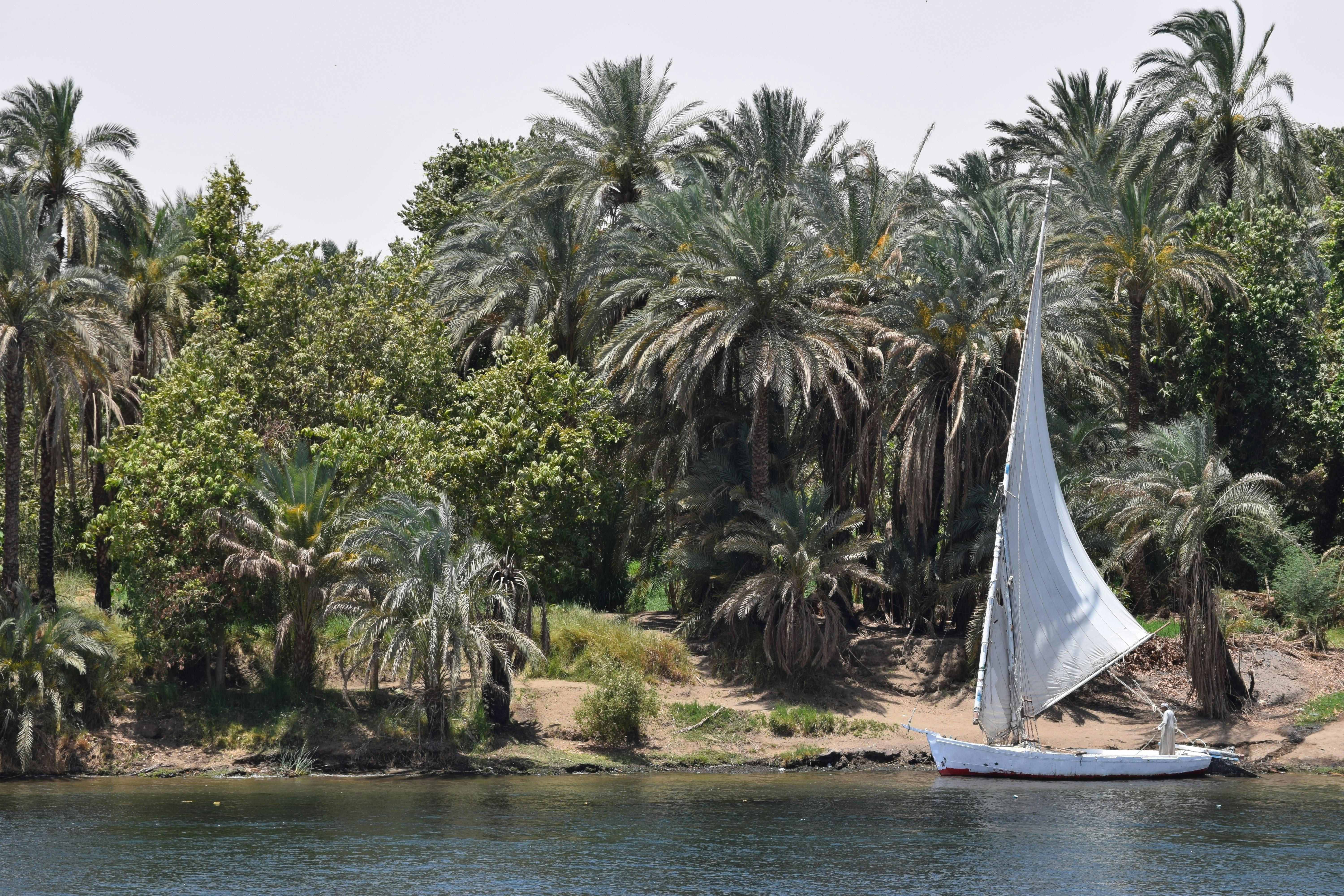
Bali, Indonesia Travel Health Advice
Bali is low risk for malaria, but dengue, rabies, food and water illnesses still matter. Get clear travel vaccine advice from our Salisbury clinic.
Bali, Indonesia Travel Health Advice
Bali is low risk for malaria, but dengue, rabies, food and water illnesses still matter. Get clear travel vaccine advice from our Salisbury clinic.
Bali, Indonesia Travel Health Advice
Bali is low risk for malaria, but dengue, rabies, food and water illnesses still matter. Get clear travel vaccine advice from our Salisbury clinic.

Bali’s main risks are not always the ones people expect
Most Bali itineraries sit in Indonesia’s lower malaria-risk category, which surprises people who have read general advice for the wider country. The issues that usually matter more are daytime mosquito bites, rabies exposure, food and water hygiene, and whether your routine UK jabs are current. Salisbury Travel Clinic in Salisbury can talk through your route, timing and vaccine history before you go.
Resorts, rural stays and island-hopping change the health picture
People travel to Bali for very different versions of the same island. Some stay in a managed resort for ten days, eating mostly in hotel restaurants and taking a few organised trips. Others rent scooters, surf, dive, train at gyms, stay near rice fields, visit temples with monkeys, or combine Bali with Lombok, the Gili Islands, Java or other parts of Indonesia. That mix matters. A short resort stay usually raises different questions from a month of budget travel, volunteering, rural accommodation or frequent animal contact. Families with young children also need a different conversation from a solo adult who will be moving around daily. Your health preparation should match the way you will actually spend your time.
Low malaria, busy mosquito picture
For Bali, malaria tablets are not routinely advised for most travellers. The risk is classed as low, so bite avoidance and awareness are usually the key measures. That changes if your itinerary reaches higher-risk parts of Indonesia, especially Papua, where antimalarial tablets are normally recommended. Tell the clinician if Bali is only one stop. Mosquitoes still deserve proper attention. Dengue is a risk in Indonesia and is spread by mosquitoes that often bite in the daytime, including in towns and built-up areas. Zika is also reported, so pregnancy or plans to conceive should be discussed before travel. Chikungunya is another mosquito-borne infection to be aware of, particularly for longer or repeated trips. Hepatitis A is commonly recommended for previously unvaccinated travellers because it spreads through contaminated food and water. Typhoid vaccination is also often considered, especially for longer stays, lower-cost accommodation, rural travel, or situations where food hygiene may be less predictable. Tetanus should be up to date. Rabies is present in Indonesia and has been reported in domestic animals. Bali’s dogs and tourist-site monkeys are the practical issue here. A bite, scratch or lick on broken skin needs urgent medical advice, even if you had pre-travel rabies vaccination. Japanese encephalitis may be relevant for longer rural stays, repeated travel, or time near rice fields and pigs.
Book early enough to make the vaccine plan useful
Aim for a travel health appointment four to six weeks before departure. That gives time to check your UK routine vaccines, discuss hepatitis A, typhoid, tetanus and any destination-specific vaccines, and decide whether rabies or Japanese encephalitis is worth considering for your itinerary. If you leave sooner, still book. Some protection and advice may still be worthwhile. Bring your vaccine record if you have it, plus your route, dates, accommodation type and planned activities. Mention scooter use, diving, trekking, contact with animals, volunteering, pregnancy, immune problems, and any regular medicines. Pack repellent, use it in the daytime as well as evening, and choose accommodation with screens or air conditioning where possible. For food and water, be selective with ice, salads, street food and untreated water. If you plan to climb Mount Agung or another high route, ask about altitude symptoms too.
Local travel health advice before Bali
Bali does not usually need complicated malaria planning, but it is not a no-preparation destination. The right advice can prevent wasted jabs, missed risks and last-minute uncertainty. You can book an appointment with Salisbury Travel Clinic online, or call 01722433363. If you are coming from Southampton or Amesbury, the clinic is a straightforward local option for pre-travel advice.
Bali’s main risks are not always the ones people expect
Most Bali itineraries sit in Indonesia’s lower malaria-risk category, which surprises people who have read general advice for the wider country. The issues that usually matter more are daytime mosquito bites, rabies exposure, food and water hygiene, and whether your routine UK jabs are current. Salisbury Travel Clinic in Salisbury can talk through your route, timing and vaccine history before you go.
Resorts, rural stays and island-hopping change the health picture
People travel to Bali for very different versions of the same island. Some stay in a managed resort for ten days, eating mostly in hotel restaurants and taking a few organised trips. Others rent scooters, surf, dive, train at gyms, stay near rice fields, visit temples with monkeys, or combine Bali with Lombok, the Gili Islands, Java or other parts of Indonesia. That mix matters. A short resort stay usually raises different questions from a month of budget travel, volunteering, rural accommodation or frequent animal contact. Families with young children also need a different conversation from a solo adult who will be moving around daily. Your health preparation should match the way you will actually spend your time.
Low malaria, busy mosquito picture
For Bali, malaria tablets are not routinely advised for most travellers. The risk is classed as low, so bite avoidance and awareness are usually the key measures. That changes if your itinerary reaches higher-risk parts of Indonesia, especially Papua, where antimalarial tablets are normally recommended. Tell the clinician if Bali is only one stop. Mosquitoes still deserve proper attention. Dengue is a risk in Indonesia and is spread by mosquitoes that often bite in the daytime, including in towns and built-up areas. Zika is also reported, so pregnancy or plans to conceive should be discussed before travel. Chikungunya is another mosquito-borne infection to be aware of, particularly for longer or repeated trips. Hepatitis A is commonly recommended for previously unvaccinated travellers because it spreads through contaminated food and water. Typhoid vaccination is also often considered, especially for longer stays, lower-cost accommodation, rural travel, or situations where food hygiene may be less predictable. Tetanus should be up to date. Rabies is present in Indonesia and has been reported in domestic animals. Bali’s dogs and tourist-site monkeys are the practical issue here. A bite, scratch or lick on broken skin needs urgent medical advice, even if you had pre-travel rabies vaccination. Japanese encephalitis may be relevant for longer rural stays, repeated travel, or time near rice fields and pigs.
Book early enough to make the vaccine plan useful
Aim for a travel health appointment four to six weeks before departure. That gives time to check your UK routine vaccines, discuss hepatitis A, typhoid, tetanus and any destination-specific vaccines, and decide whether rabies or Japanese encephalitis is worth considering for your itinerary. If you leave sooner, still book. Some protection and advice may still be worthwhile. Bring your vaccine record if you have it, plus your route, dates, accommodation type and planned activities. Mention scooter use, diving, trekking, contact with animals, volunteering, pregnancy, immune problems, and any regular medicines. Pack repellent, use it in the daytime as well as evening, and choose accommodation with screens or air conditioning where possible. For food and water, be selective with ice, salads, street food and untreated water. If you plan to climb Mount Agung or another high route, ask about altitude symptoms too.
Local travel health advice before Bali
Bali does not usually need complicated malaria planning, but it is not a no-preparation destination. The right advice can prevent wasted jabs, missed risks and last-minute uncertainty. You can book an appointment with Salisbury Travel Clinic online, or call 01722433363. If you are coming from Southampton or Amesbury, the clinic is a straightforward local option for pre-travel advice.
Bali’s main risks are not always the ones people expect
Most Bali itineraries sit in Indonesia’s lower malaria-risk category, which surprises people who have read general advice for the wider country. The issues that usually matter more are daytime mosquito bites, rabies exposure, food and water hygiene, and whether your routine UK jabs are current. Salisbury Travel Clinic in Salisbury can talk through your route, timing and vaccine history before you go.
Resorts, rural stays and island-hopping change the health picture
People travel to Bali for very different versions of the same island. Some stay in a managed resort for ten days, eating mostly in hotel restaurants and taking a few organised trips. Others rent scooters, surf, dive, train at gyms, stay near rice fields, visit temples with monkeys, or combine Bali with Lombok, the Gili Islands, Java or other parts of Indonesia. That mix matters. A short resort stay usually raises different questions from a month of budget travel, volunteering, rural accommodation or frequent animal contact. Families with young children also need a different conversation from a solo adult who will be moving around daily. Your health preparation should match the way you will actually spend your time.
Low malaria, busy mosquito picture
For Bali, malaria tablets are not routinely advised for most travellers. The risk is classed as low, so bite avoidance and awareness are usually the key measures. That changes if your itinerary reaches higher-risk parts of Indonesia, especially Papua, where antimalarial tablets are normally recommended. Tell the clinician if Bali is only one stop. Mosquitoes still deserve proper attention. Dengue is a risk in Indonesia and is spread by mosquitoes that often bite in the daytime, including in towns and built-up areas. Zika is also reported, so pregnancy or plans to conceive should be discussed before travel. Chikungunya is another mosquito-borne infection to be aware of, particularly for longer or repeated trips. Hepatitis A is commonly recommended for previously unvaccinated travellers because it spreads through contaminated food and water. Typhoid vaccination is also often considered, especially for longer stays, lower-cost accommodation, rural travel, or situations where food hygiene may be less predictable. Tetanus should be up to date. Rabies is present in Indonesia and has been reported in domestic animals. Bali’s dogs and tourist-site monkeys are the practical issue here. A bite, scratch or lick on broken skin needs urgent medical advice, even if you had pre-travel rabies vaccination. Japanese encephalitis may be relevant for longer rural stays, repeated travel, or time near rice fields and pigs.
Book early enough to make the vaccine plan useful
Aim for a travel health appointment four to six weeks before departure. That gives time to check your UK routine vaccines, discuss hepatitis A, typhoid, tetanus and any destination-specific vaccines, and decide whether rabies or Japanese encephalitis is worth considering for your itinerary. If you leave sooner, still book. Some protection and advice may still be worthwhile. Bring your vaccine record if you have it, plus your route, dates, accommodation type and planned activities. Mention scooter use, diving, trekking, contact with animals, volunteering, pregnancy, immune problems, and any regular medicines. Pack repellent, use it in the daytime as well as evening, and choose accommodation with screens or air conditioning where possible. For food and water, be selective with ice, salads, street food and untreated water. If you plan to climb Mount Agung or another high route, ask about altitude symptoms too.
Local travel health advice before Bali
Bali does not usually need complicated malaria planning, but it is not a no-preparation destination. The right advice can prevent wasted jabs, missed risks and last-minute uncertainty. You can book an appointment with Salisbury Travel Clinic online, or call 01722433363. If you are coming from Southampton or Amesbury, the clinic is a straightforward local option for pre-travel advice.
02
FAQ
Frequently Asked Questions
Have questions? Our FAQ section has you covered with quick answers to the most common inquiries.
Do I need malaria tablets for Bali?
Which vaccinations are usually considered for Bali?
Is rabies a real concern in Bali?
How soon before travelling to Bali should I book a travel clinic appointment?
Is Zika a problem in Bali if I am pregnant or trying for a baby?
02
FAQ
Frequently Asked Questions
Have questions? Our FAQ section has you covered with quick answers to the most common inquiries.
Do I need malaria tablets for Bali?
Which vaccinations are usually considered for Bali?
Is rabies a real concern in Bali?
How soon before travelling to Bali should I book a travel clinic appointment?
Is Zika a problem in Bali if I am pregnant or trying for a baby?
02
FAQ
Frequently Asked Questions
Have questions? Our FAQ section has you covered with quick answers to the most common inquiries.
Do I need malaria tablets for Bali?
Which vaccinations are usually considered for Bali?
Is rabies a real concern in Bali?
How soon before travelling to Bali should I book a travel clinic appointment?
Is Zika a problem in Bali if I am pregnant or trying for a baby?
Appointments available now
Start Your Trip With Salisbury Clinic
As the most competitively priced clinic in Wiltshire, and no consultation fees, we are ready to get you prepared for your trip.

Appointments available now
Start Your Trip With Salisbury Clinic
As the most competitively priced clinic in Wiltshire, and no consultation fees, we are ready to get you prepared for your trip.
Appointments available now
Start Your Trip With Salisbury Clinic
As the most competitively priced clinic in Wiltshire, and no consultation fees, we are ready to get you prepared for your trip.
Destinations
2026 Salisbury Travel Clinic
Cookie Settings
Destinations
2026 Salisbury Travel Clinic
Cookie Settings
Destinations
2026 Salisbury Travel Clinic
Cookie Settings